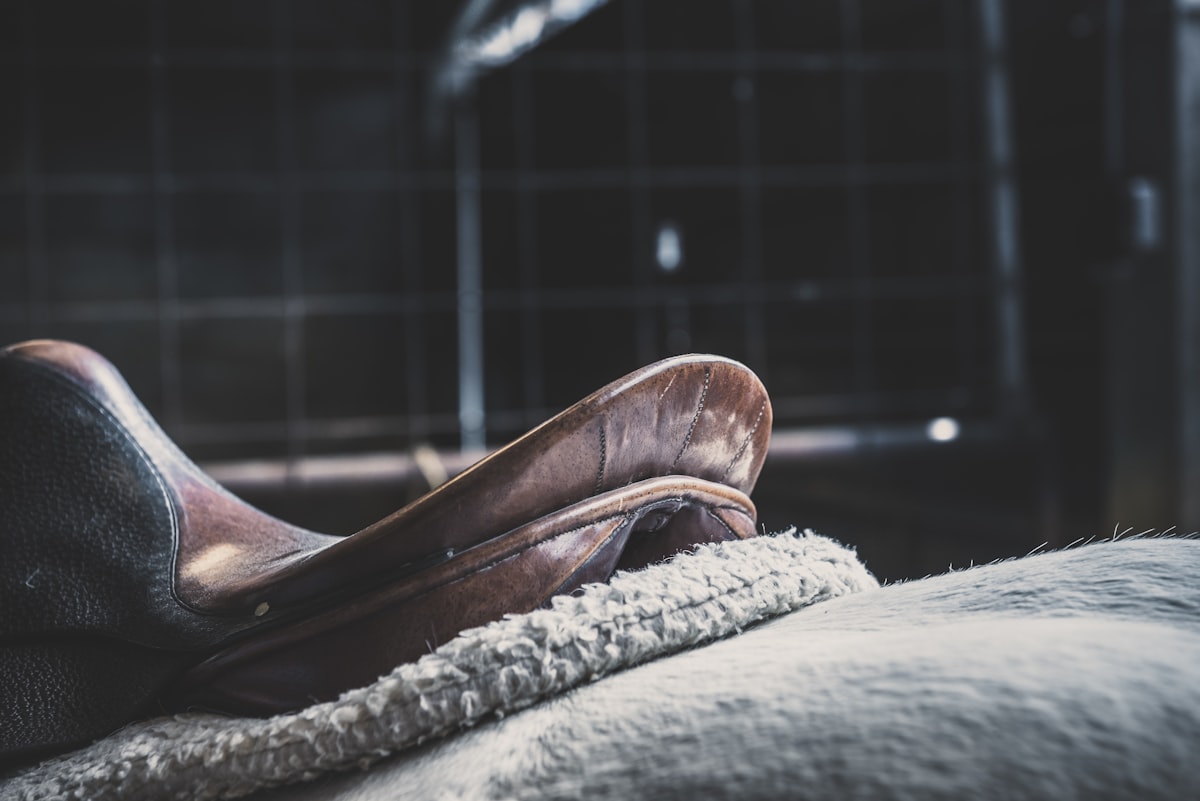
How to Care for Premium Leather Tack: A Step-by-Step Conditioning Guide
Quality leather tack can last decades with proper care — or fail in a season without it. Our conditioning guide covers cleaning, conditioning, storage and restoration.
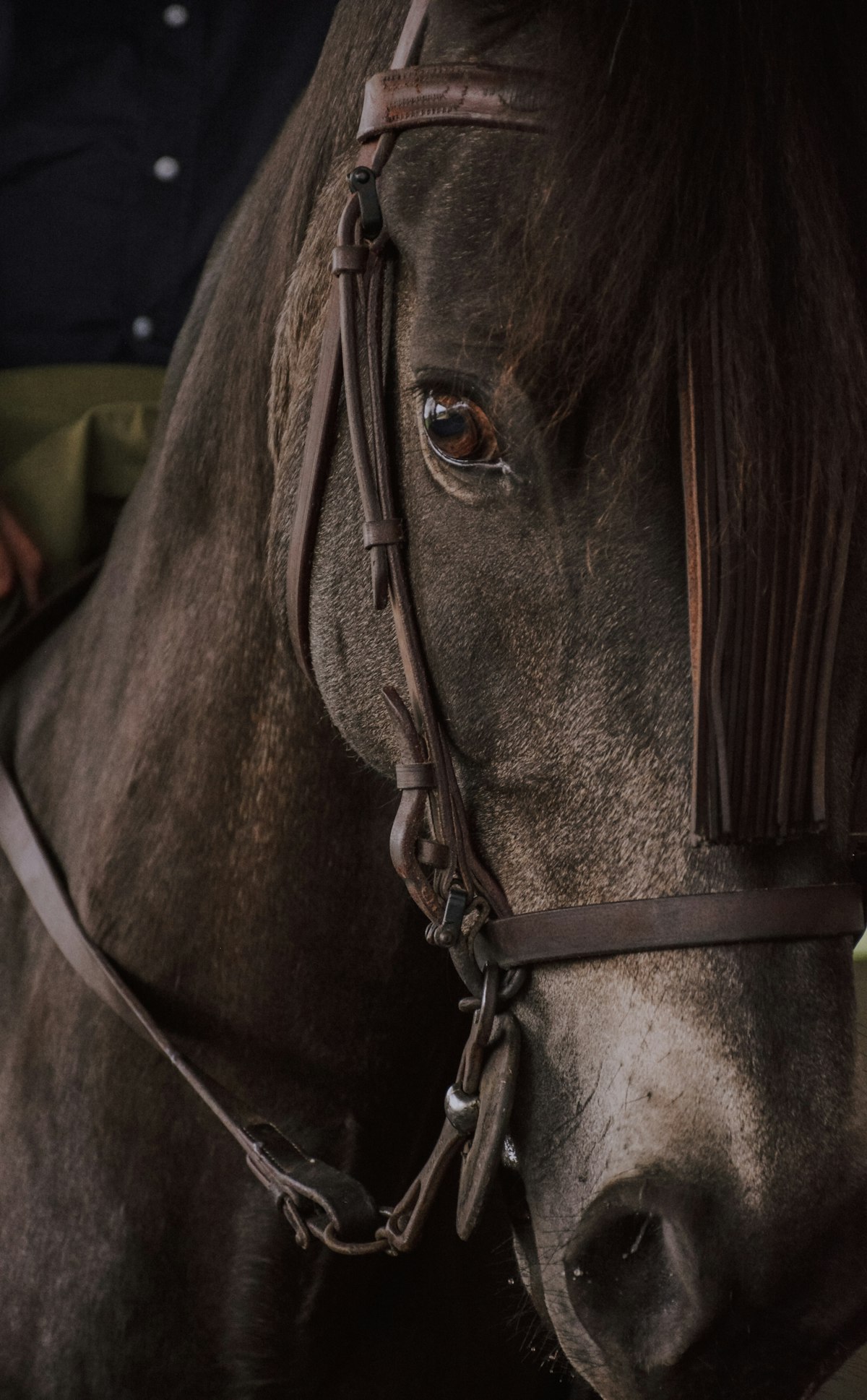
Premium leather tack is an investment. A well-made leather saddle, cared for correctly, will outlast its owner. The same saddle, neglected, will crack, harden, and fail within a few seasons. The difference between these outcomes is a consistent care routine that takes less than fifteen minutes after each ride.
Understanding Leather
Full-grain leather retains the natural surface of the hide — including its pores, which allow it to breathe, absorb conditioning oils, and develop a patina over time. This is why premium leather improves with age when properly maintained. The leather's natural oils prevent it from drying and cracking; our job as riders is to replenish those oils as they are lost through use, sweat, and exposure.
The Weekly Care Routine
Step 1: Remove surface debris
After every ride, wipe all leather surfaces with a damp sponge or cloth to remove sweat, dust, and grime. Sweat is acidic and will degrade leather over time if left in contact. Pay particular attention to areas around buckles, girth loops, and the underside of the flaps where sweat accumulates.
Step 2: Apply saddle soap
Working with a barely damp sponge — never soaking wet — apply a small amount of glycerine-based saddle soap in small circular motions. Avoid glycerine soaps on suede or roughout leather. The soap lifts ingrained grime from the pores and prepares the leather surface to absorb conditioner.
Step 3: Condition
Apply a quality leather conditioner — Leather Therapy, Effax, or a traditional neatsfoot oil blend — with a clean, dry cloth. Work it in with circular motions and allow it to absorb for at least twenty minutes before buffing. Conditioning oils replenish the natural lipids that keep leather supple and prevent cracking.
Step 4: Polish hardware
Brass hardware is best cleaned with a proprietary brass polish and buffed to a warm shine. Stainless steel requires only a clean cloth and a small amount of metal polish. Never allow polish to contact the leather — mask adjacent areas if necessary.
Storage
- Store saddles on a proper saddle stand — never on their side or with pressure on the panels.
- Keep tack in a cool, dry environment. Heat and direct sunlight degrade leather rapidly.
- Cover stored saddles with a breathable cotton saddle cover — not plastic, which traps moisture.
- Never store damp leather — allow it to dry naturally at room temperature before conditioning.
Restoration tip: Severely dried leather that has begun to crack can often be restored with multiple applications of a penetrating leather oil over several days. Apply, allow to absorb fully, and repeat until the leather regains flexibility. Prevention is always preferable — condition regularly before cracking develops.
Corvere
Curated equestrian knowledge for riders who demand excellence. Browse our full collection of premium equestrian gear.
Shop the Collection