How to Choose the Right Saddle: A Complete Guide for Every Discipline
From dressage to jumping, the right saddle transforms your riding. We break down tree width, seat size, flap cut and fitting — everything you need to make a confident choice.
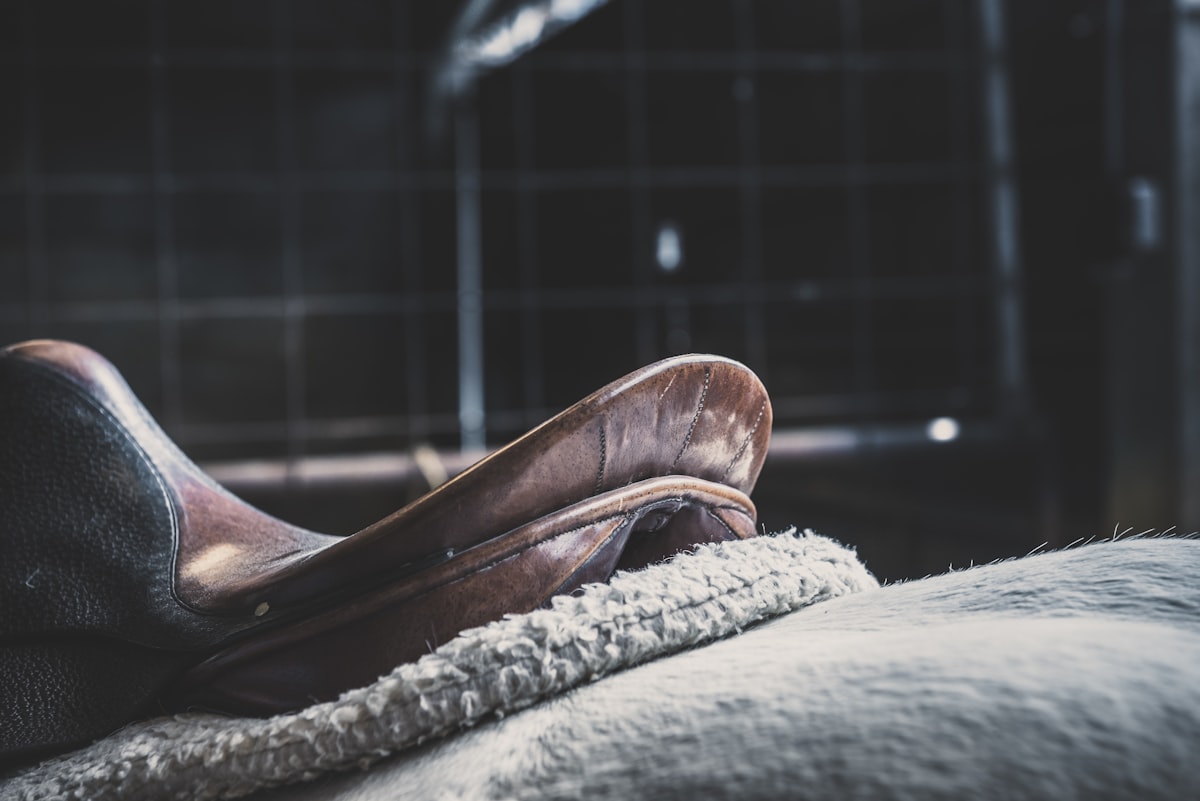
Choosing the right saddle is one of the most important decisions you will make as a rider. A correctly fitted saddle improves your position, enhances communication with your horse, and protects the long-term health of your horse's back. A poorly fitted saddle does the opposite — creating resistance, asymmetry, and in severe cases, lasting muscle damage.
Understanding Saddle Tree Width
The tree is the internal framework of the saddle — its shape determines how the saddle sits on your horse's back. Tree width is described as narrow, medium, medium-wide, wide, and extra-wide, and corresponds to the width of your horse's withers and the angle of their shoulder blades.
A saddle with too narrow a tree pinches the withers and shoulders, restricting movement at the walk and creating significant discomfort. A tree that is too wide drops over the withers and creates direct pressure on the spine — equally damaging. Professional saddle fitting is the only reliable way to assess tree width correctly.
How to Measure at Home
- Place your hand flat under the front of the saddle. You should feel even, consistent pressure across your palm.
- The pommel should clear the horse's spine by at least two to three fingers when a rider is seated.
- Watch your horse move — a correctly fitted saddle should not restrict the shoulder in any gait.
Seat Size: Finding Your Fit
Seat size is measured from the nail head at the front of the seat to the centre of the cantle. Most adult riders fall between 16.5" and 18", with the correct size placing you in the deepest part of the seat with a hand's width behind you to the cantle.
A seat that is too small pushes you forward and interferes with your balance. Too large and you cannot maintain a stable base of support. The ideal fit allows you to sit completely still, absorb the horse's movement, and maintain even weight across both seat bones.
Flap Cut by Discipline
- Dressage: Long, straight flap to accommodate the longer leg position required for collected work.
- Jumping: Forward-cut flap that supports the knee and thigh in two-point and jumping position.
- All-purpose: A moderate cut that works across disciplines — ideal for those who hack, school, and occasionally jump.
- Western: Deep seat, wide fenders, and horn — designed for the longer stirrup and working position of western riding.
Tip: Always have a new saddle professionally fitted before riding in it. Even a saddle with the correct tree width may need panel adjustments for your specific horse's back shape.
The Professional Fitting Appointment
A qualified master saddler will assess your horse's back symmetry, muscle development, and wither shape before recommending a tree width. They will then evaluate the saddle on the horse in motion — watching for any movement restriction, panel bridging, or uneven contact. Panels can be restuffed with wool flocking to fine-tune fit as your horse's muscle condition changes seasonally.
At Corvere, our premium leather saddle is fitted with adjustable wool flocking panels specifically to allow professional adjustment to any horse's back. We recommend scheduling a fitting appointment within two weeks of receipt.
Corvere
Curated equestrian knowledge for riders who demand excellence. Browse our full collection of premium equestrian gear.
Shop the Collection