The 15-Minute Pre-Ride Grooming Routine That Makes a Difference
A thorough grooming routine is a health check, a bonding session, and the foundation of a great ride. Here's our step-by-step guide.
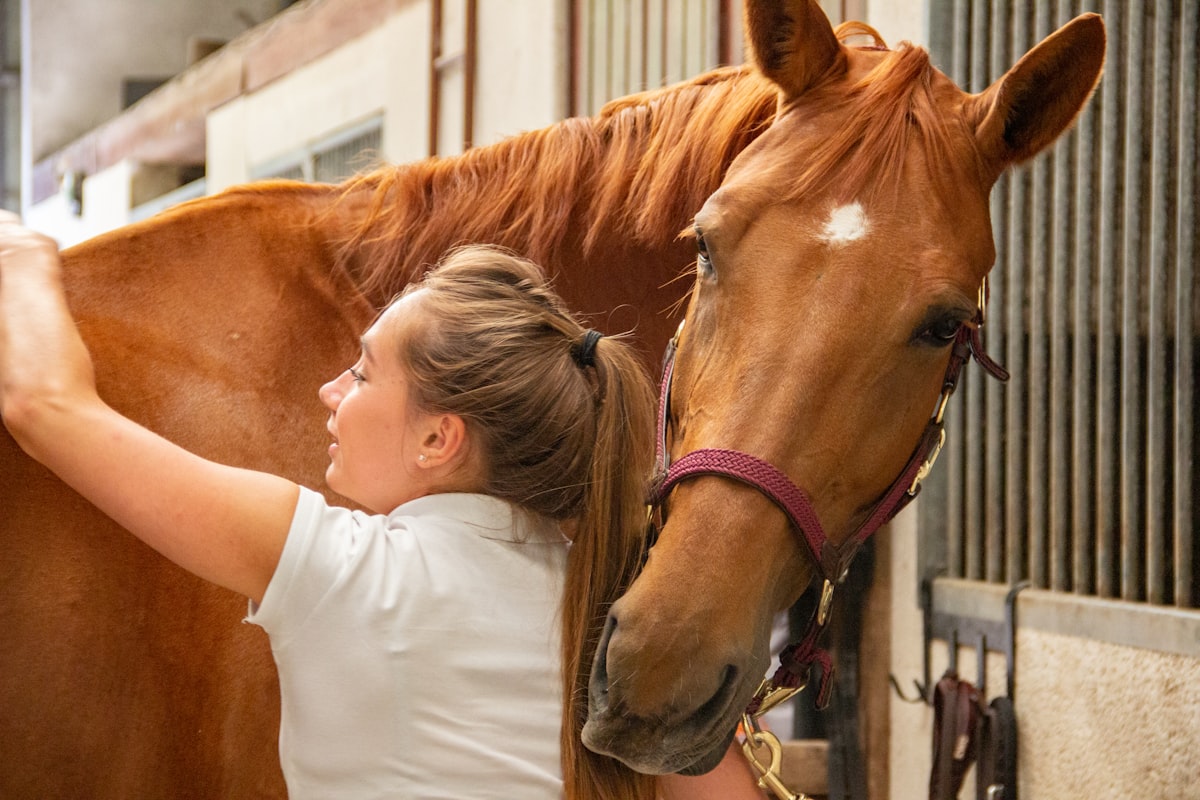
Grooming before every ride is not simply about appearance. It is a systematic health check, a bonding ritual, and the foundation of a good working relationship with your horse. A horse that is groomed attentively will be calmer, more responsive, and more cooperative under saddle.
The 15-Minute Sequence
Minutes 1–3: Curry comb
Begin with a rubber curry comb in circular motions over the large muscle groups — neck, shoulder, barrel, and hindquarters. Never use the curry comb on bony prominences like the face, legs, or spine. The circular motion loosens dried mud, dead skin, and loose coat from deep within, bringing it to the surface for the body brush to remove.
Minutes 3–7: Body brush
Follow the curry with a stiff-bristled dandy brush for heavy mud and a softer body brush in the direction of the coat for the finishing layer. Use short, flicking strokes to lift the debris brought up by the curry. Clean your brush on the curry comb every few strokes to avoid redepositing dirt.
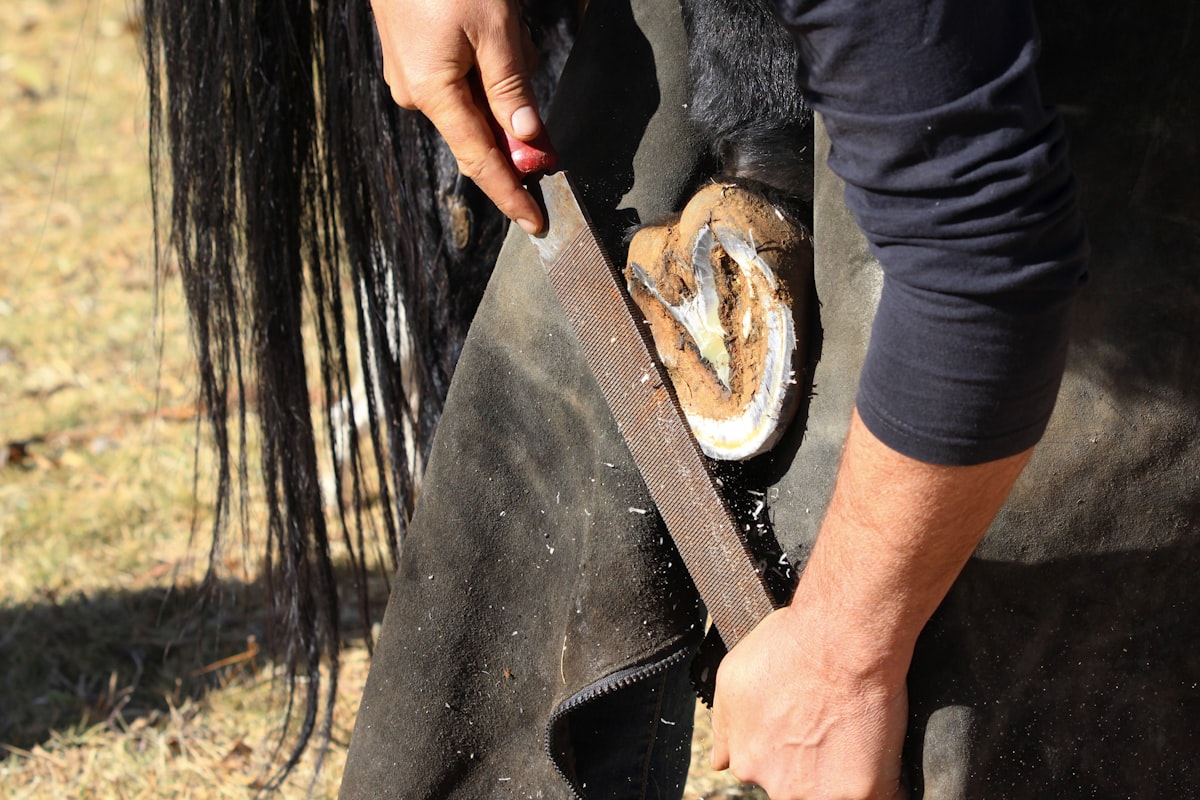
Minutes 7–9: Hoof pick
Pick out all four hooves from heel to toe, checking for thrush (a dark, foul-smelling discharge in the frog's sulci), loose shoes, cracked hoof wall, and any embedded stones. This is also your opportunity to notice any heat or swelling in the digital flexor tendon area before it becomes a problem under load.
Minutes 9–11: Face and legs
Switch to a soft face brush for the head, around the eyes, nostrils and ears. Run your hands firmly down all four legs — checking for heat, swelling, cuts, or sensitivity that might indicate an underlying issue. A horse that reacts to leg handling during grooming is giving you important information.
Minutes 11–13: Mane and tail
Detangle the mane and tail with a wide-tooth comb or fingers, working from the bottom up to avoid breaking hair. A light application of detangling spray reduces friction and breakage significantly.
Minutes 13–15: Tack check
Check stitching on girth, stirrup leathers, and reins. Check the tree of your saddle has not shifted. Ensure your girth is clean and supple. A broken piece of tack found in the stable is far preferable to one that fails on a hack.
Professional tip: Run your hand under the saddle after placing it — if you can feel any heat or sensitivity on the horse's back, investigate before riding. Back pain is one of the leading causes of behavioural issues under saddle.
Corvere
Curated equestrian knowledge for riders who demand excellence. Browse our full collection of premium equestrian gear.
Shop the Collection